AI Music Energetic
High-energy AI music with fast beats, perfect for workouts or drives.
7 songs. Create one like this.
A song's energy is not just its tempo
A 128 BPM track with only piano and a whispered vocal still sounds calm. A 100 BPM funk tune with sixteenth note hi-hats and a bouncing bass gets people out of their seats. Tempo is just one of several levers that set the energy level:
- Density: how many notes land in each beat, and how many instruments play at once.
- Register: the higher the vocal and melody climb, the more tension the listener feels.
- Brightness of tone: harsh synths, distorted guitar and brass sound far brighter than soft piano or pads.
- Contrast: a chorus can only explode if the verse before it held back.
When your song is not lively enough, adjust density and contrast before you raise the tempo.
Typical tempos of high-energy genres
| Genre | Typical tempo | Where the energy comes from |
|---|---|---|
| Funk, disco | 105-125 BPM | Bouncing bass, busy hi-hats, brass hits |
| Dance pop | 100-128 BPM | Repetitive hook chorus, claps on 2 and 4 |
| EDM, house | 120-130 BPM | Kick on every beat, build-up and drop |
| Rock | 110-150 BPM | Hard snare on 2 and 4, distorted guitars |
| Trap | 130-150 BPM, half-time feel | Rolling hi-hats, dense flow |
MuziAI's 'fast' preset is 128 BPM, right in house and EDM territory. The 'medium' preset at 100 BPM suits funk and disco or dance pop as long as the arrangement is busy. Trap fools the ear: it is written at 140 BPM, but the snare lands on beat 3, so listeners nod along at 70 while the hi-hats race above. That half-time feel is all over modern rap.
Rhythm, chords and vocals that keep a track moving
Dance music is built on four-on-the-floor: the kick hits all four beats and an open hi-hat sits between them. Syncopation, accents where the listener does not expect them, adds bounce; funk lives on the off-beat hits of bass and horns. Rock leans on a heavy snare on 2 and 4 and guitars strumming steady eighth notes.
High-energy songs tend to use few chords: two to four repeated through the whole track, so attention goes to the groove. Power chords (just root and fifth) are the backbone of rock and metal. A minor key does not slow a song down: plenty of EDM tracks are in minor and still hit hard, because the energy comes from the rhythm and the minor key adds drama.
Put the chorus vocal high, sung with full, firm breath support (belting), in short phrases. Gang vocals and call-and-response, one voice calling and a crowd answering, make a track sound like it is on stage. Bright synth leads, brass and electric guitar push energy most clearly.
Building the peak with a build-up and a drop
A chorus explodes because the section before it set it up. A common sequence:
- Keep the verse sparse: few instruments, light drums or just kick, the vocal in its middle range.
- Ramp up the pre-chorus: snare hits speed up from quarter notes to eighths to sixteenths, a riser sweeps up, a filter opens so the sound gets brighter.
- Right before the chorus, cut to near silence for half a bar or a full bar.
- Bring in the chorus or drop with full drums, bass and the vocal at its highest note, all at once.
Step three is the one most often forgotten. The gap makes the next hit feel louder. In the style box, tags like big build-up, drop or breakdown help the AI understand you want this shape, though it will not land every time.
Lyrics for a high-energy song have to be chantable
At 128 BPM one beat lasts about 0.47 seconds and an eighth note about 0.23 seconds. If every syllable takes an eighth note, a 4/4 bar holds eight syllables and leaves the singer no room to breathe. The faster the song, the shorter the lyric. Overlong lyrics on the fast preset are a common reason the AI vocal swallows words or crams them together.
- Use verbs and commands: jump, hands up, don't stop. Long narrative lines drag the track down.
- Repeat a two to four word phrase in the chorus, short enough for listeners to shout along by the second time.
- Words ending in hard consonants like 'hit', 'drop', 'beat' cut off cleanly and suit rapid rhythms. Put high sustained notes on open vowels like 'go', 'high', 'night'.
- Write the call-and-response in: one line calls, one short word answers for the crowd.
The lyric writer gives you a quick draft; then trim syllables from each line until you can read it aloud in rhythm without rushing.
Where high-energy songs run out of breath
- Everything is equally loud. Without a verse that holds back, the chorus has nothing to explode from.
- Assuming speed is enough. A sparse arrangement at 128 BPM sounds like a metronome exercise, not a dance track.
- Confusing energetic with angry. Distorted guitar and screamed vocals belong to powerful; to make people dance you need bounce, not harshness.
Sad lyrics over a dance beat are not a mistake. Crying on the dance floor after a breakup is a deliberate style: the upbeat music makes the sadness sharper through contrast. If you want that, say so in the idea box.
Start from these descriptions
A few English style tag sets to paste into the style box:
upbeat dance pop, four on the floor, punchy synth bass, female vocal, catchy chantfunk disco, slap bass, brass stabs, groovy, energetic male vocalpop rock, distorted guitars, driving drums, anthemic gang vocalsedm, big build-up, euphoric drop, bright synth lead
And a few ideas for the idea box:
- A cheer for the school football team in the final, with the team name shouted three times in the chorus.
- A morning running song where every chorus marks another kilometer.
- Just got dumped, but going out to the dance floor tonight anyway.
For something lighter and sunnier, see cheerful. For a song that rises like an anthem, see inspiring. For a lively Lunar New Year song, spring and Tet music has its own familiar rhythms. And when you need to cool down after a relentless track, chill is the opposite direction.
Track list
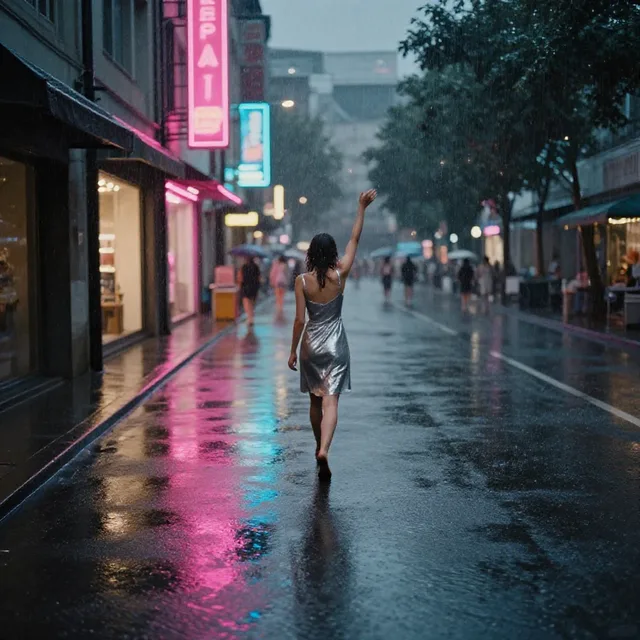
Friday Night Fever
City lights are calling out my name
Funk / Disco, Energetic, 2:54
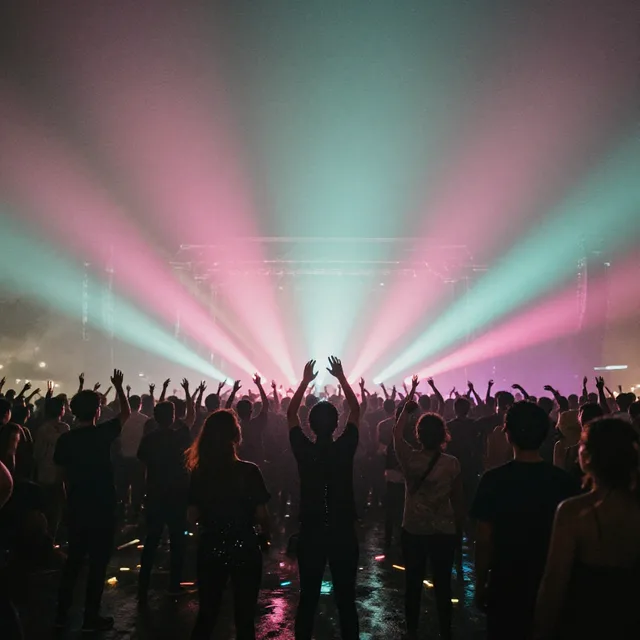
Festival Lights
Neon skies are calling out my name
EDM, Energetic, 3:14
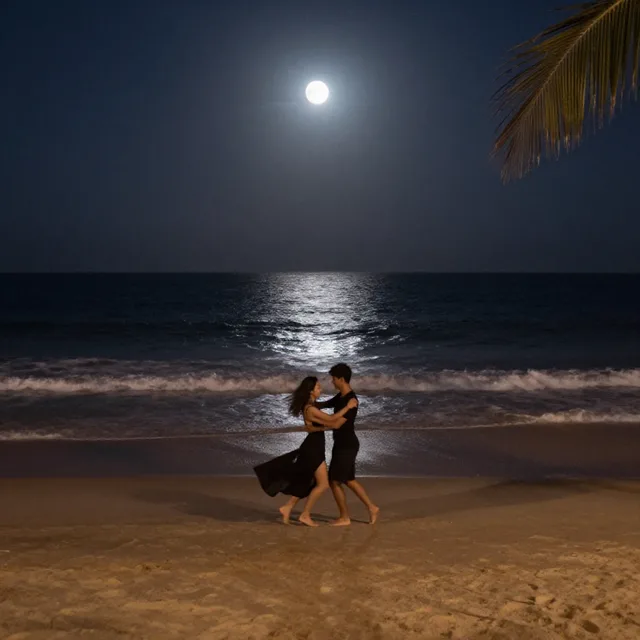
Bailando en la Arena
La luna llena brilla sobre el mar
Pop, Energetic, 2:33

Mười Bảy Nổi Loạn
Sáng sớm mẹ gọi con dậy
Rock, Energetic, 4:52
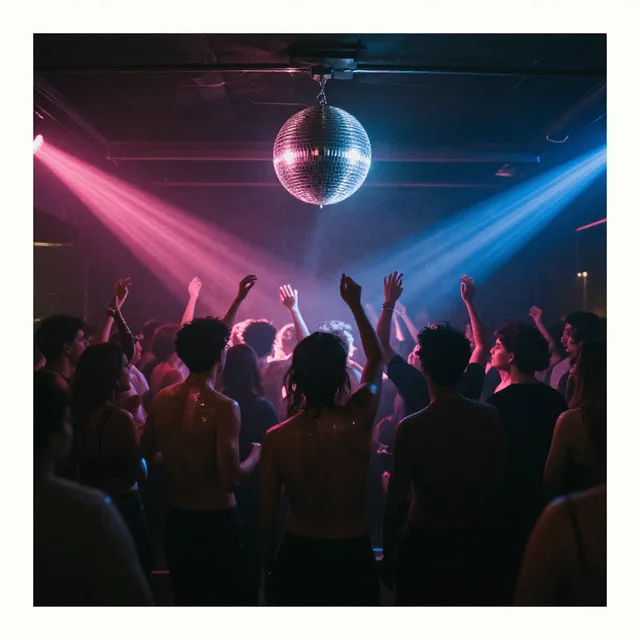
Đêm Thứ Sáu Rộn Ràng
Tiếng đèn màu nhấp nháy trên cao
Funk / Disco, Energetic, 2:34
Đêm Hội Pháo Hoa
Màn đêm buông xuống thật nhanh
EDM, Energetic, 3:50

Đêm Sài Gòn Không Ngủ
Phố đèn màu vẫn sáng rực đêm nay
Rap / Hip-hop, Energetic, 2:52