AI Music Nostalgic
Nostalgic AI music about home, childhood, old streets, and familiar faces.
13 songs. Create one like this.
Nostalgia is happy and sad at the same time
Remembering something that is gone hurts, but what you remember is usually good: kites in the afternoon, the old house, the friend who shared your desk. That mix is bittersweet, and a good nostalgic song keeps both flavours. Tip fully into sadness and it becomes a lament; tip fully into joy and it becomes an anecdote.
So nostalgic music rarely commits fully to major or minor. A common approach keeps the melody in a major key, warm enough to give the memory sunlight, then slips in a few chords borrowed from the minor key so the shadow arrives in the right place.
Harmonic tricks that make listeners think of the old days
The best-known trick is the minor four chord. In C major, instead of going F back to C, you go F, then Fm, then C. The A in the F chord drops to Ab, just a half step, but that is enough to make the phrase sag slightly before it comes home. The listener still hears a major key, only now something has changed.
The second is a bass line that steps down: C, C/B, Am, Am/G, F. The chords change slowly while the bass walks down like time passing. Many ballads open this way.
The third is I - vi - IV - V (C - Am - F - G), the 1950s and 1960s pop progression often called the doo-wop progression. It sounds like the past because people heard it in so many old songs. Pick the right genre and the AI uses its familiar progressions on its own, so the next section matters more than chord names.
Every memory has its own sound
Nostalgia is tied to a specific stretch of time, and the sound of that time is your strongest tool. Pick a genre by the memory:
| Memory to evoke | Genres that fit | Suggested style tags |
|---|---|---|
| Childhood in the countryside | Folk, acoustic | nostalgic, folk, bamboo flute, acoustic guitar, gentle |
| An old town, your parents' records | Bolero | nostalgic, bolero, vintage, warm tape sound, slow |
| School days | Ballad, acoustic | nostalgic, acoustic pop, piano, soft strings, youthful |
| The 1980s | City pop, funk-disco | 80s city pop, retro synth, electric piano, nostalgic |
| The 2000s, cassette tapes | Lo-fi, indie | nostalgic, lo-fi, cassette tape, dreamy, faded |
| New Year away from home | Spring songs, ballad | wistful, Lunar New Year, piano, warm strings |
Old sound tells its own story: tape hiss, vinyl crackle, a slightly detuned piano. Adding vintage, tape, vinyl or retro to the tags is the quickest way there.
Tempo, voice and how to sing it
Nostalgia runs slow to medium. The 72 BPM 'slow' preset suits ballad, bolero and folk; all 13 sample ballads on MuziAI use it. The 100 BPM 'medium' preset suits city pop and funk-disco, where the memory is a night of dancing rather than a quiet ache. The 128 BPM 'fast' preset rarely fits.
Keep the vocal mid-range, closer to storytelling than performing. The listener has to believe the singer lived through it, and a voice straining for high notes sounds like acting. Let line endings fall away gently instead of holding them. A warm low male voice fits old towns and bolero, a clear female voice fits school days and home. Duet mode works when the song is a conversation between two people remembering the same time.
Nostalgic lyrics live on concrete objects
A line like 'I miss the old days' evokes nothing, because it never shows what those days looked like. Memory lives in objects and senses: the smell of burning straw, a street vendor calling late at night, a bicycle with a basket on the front, a yearbook signed in purple ink. Every verse should hold at least one detail the listener can see with their eyes closed.
The strongest structure puts then and now side by side. The verse paints back then, the chorus returns to the present and shows the distance: the alley is now a highway, the friend lives abroad. Time words like 'back then', 'that year' and 'now' are the hinge between the two halves.
- Back then the lane was narrow
- Two of us on one bike, one road
- Now the lane's a city street
- And we're strangers passing by
The last line carries the bitter note without the word 'sad'. The lyrics tool can suggest a draft; replace its general details with objects from your own memory.
Four mistakes that turn nostalgia into schmaltz or sadness
- Naming feelings instead of showing details. Lyrics full of 'miss' and 'regret' with no objects or places give the listener nothing to remember.
- Losing the sweetness. A minor key, lyrics about loss and the slowest tempo all at once tip the track straight into sad.
- Mixing eras. An 80s synth, a zither and trap drums in one song leave the memory nowhere to stand. Pick one period.
- Singing too loud. A belted chorus turns a confession into a performance.
Try it now, and the moods next to nostalgia
Three ideas for the idea box, with matching settings:
- 'Back at my old school after ten years, the flame tree still there, the desks all replaced', genre Ballad, slow tempo, female vocal.
- 'The cassette Dad played every Saturday night, and now there is no player left to play it', genre Bolero, slow tempo, male vocal.
- 'A summer night in 1986, the radio on, yellow streetlights, walking and not wanting to go home', genre City pop, medium tempo, tags
80s city pop, retro synth, nostalgic.
Hear how the AI handles ballads in the song library, then create a song. A track takes about 2 to 4 minutes; hear it through before editing, because the bittersweet turn often only shows up in the chorus.
If the track keeps sliding one way, you may be in a neighbouring mood. Sad is when only the bitter part is left. Romantic is when the person in the memory is still in your present. Lonely is when the chorus comes back to now and finds only you. And chill is when you stop looking back and just sit with this afternoon.
Track list

Der letzte Abend am See
Die Sonne sinkt so langsam überm Wasser,
Ballad, Nostalgic, 3:28
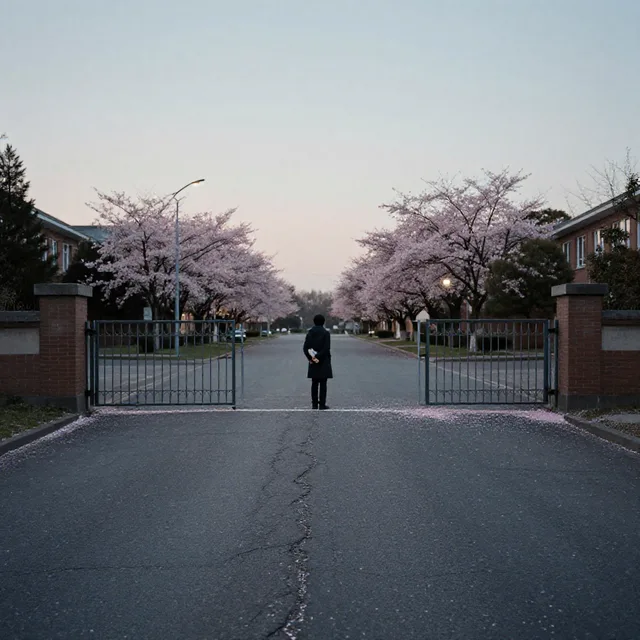
言えなかった恋の花
桜の花びら 舞い散る校庭
Ballad, Nostalgic, 3:57
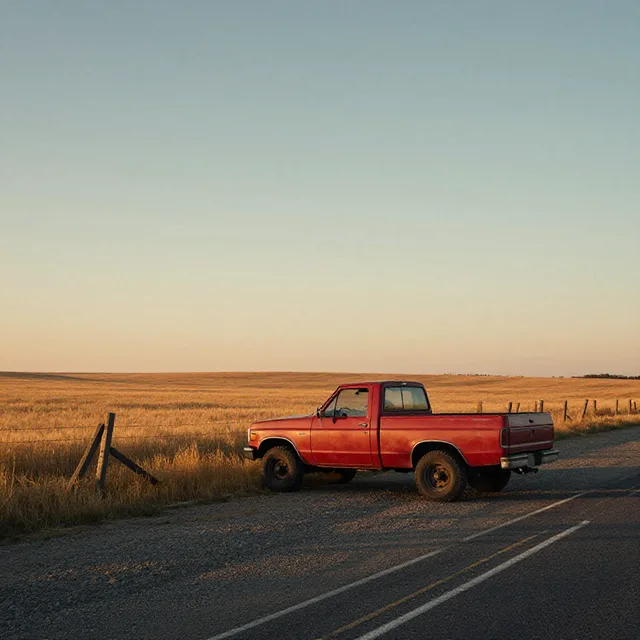
Dusty Road Home
The sun is sinking low on the highway line
Country, Nostalgic, 3:12
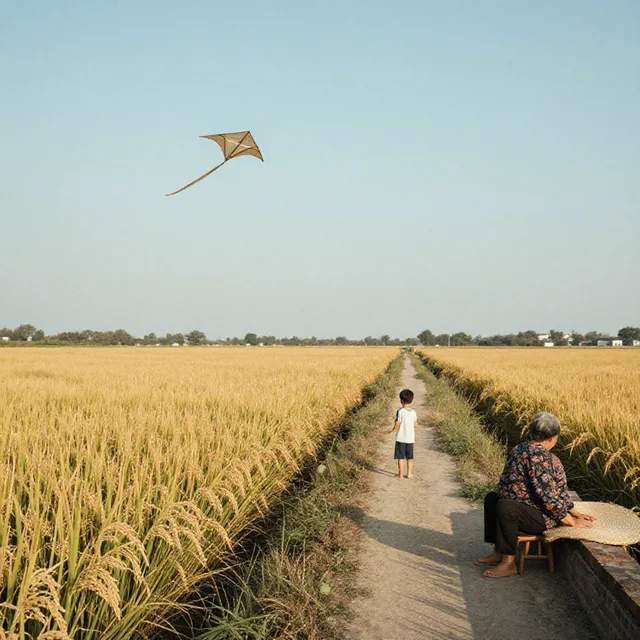
Cánh diều tuổi thơ
Cánh đồng lúa chín vàng ươm
Folk, Nostalgic, 6:00
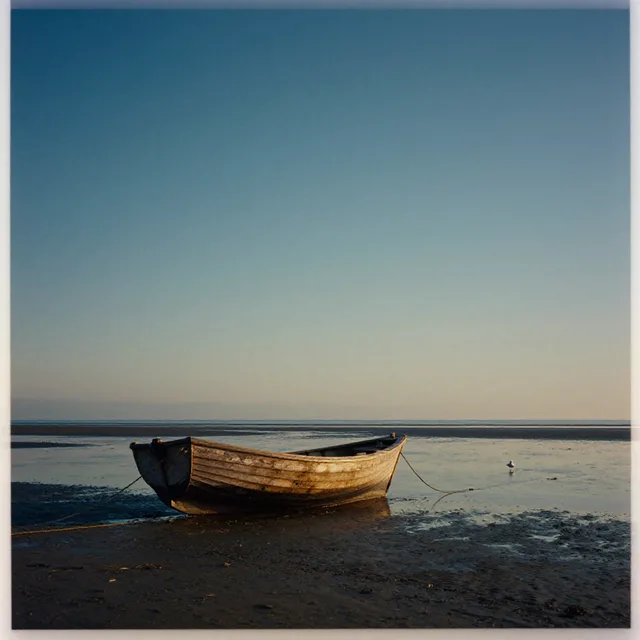
Saudade do Meu Mar
As ondas chamam meu nome baixinho
Acoustic, Nostalgic, 3:18
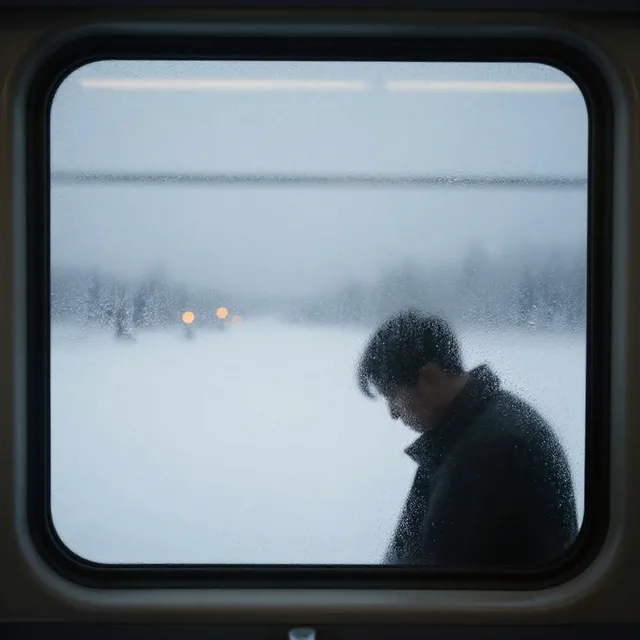
Winterzug nach Hause
Die Fenster sind beschlagen, die Welt ist weiß und still
Indie, Nostalgic, 2:56
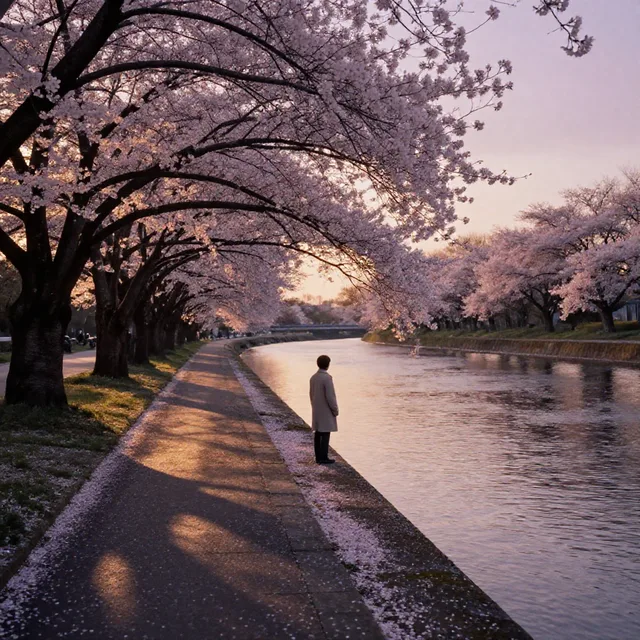
桜の記憶
春の風が頬を撫でて
Pop, Nostalgic, 3:09
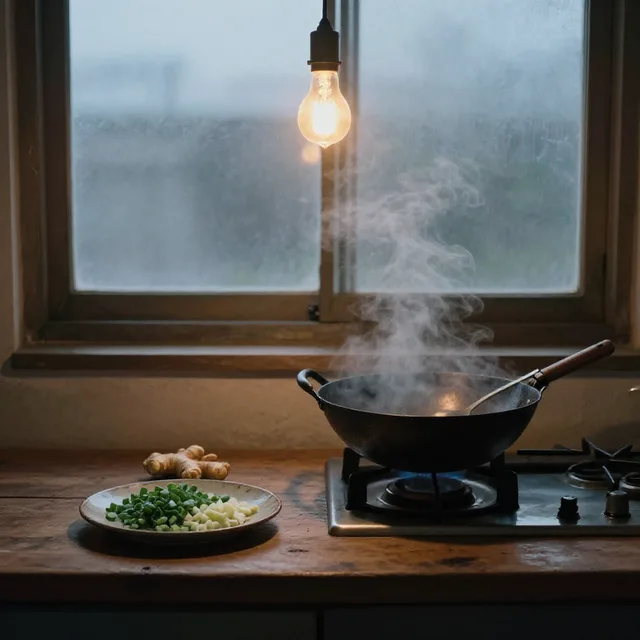
妈妈的饭香
离家那年的秋天
Ballad, Nostalgic, 2:38
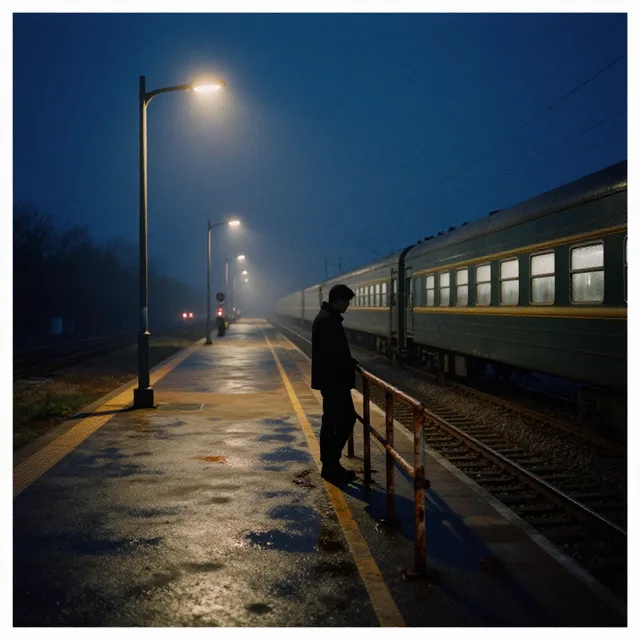
Chuyến Tàu Đêm
Sân ga vắng đèn mờ
Indie, Nostalgic, 2:47
Gửi Bố
Sân nhà mình vẫn đó bóng cây xanh
Acoustic, Nostalgic, 3:28

Thư gửi mẹ
Biển chiều nay sóng vỗ rì rào
Cinematic, Nostalgic, 4:28

Bóng Mẹ Hiên Xưa
Nước lên trắng cả bờ đê
Bolero, Nostalgic, 4:12
Hoa Phượng Cuối Sân Trường
Ve kêu rộn rã giữa trưa hè
Pop, Nostalgic, 2:59