AI Music Lonely
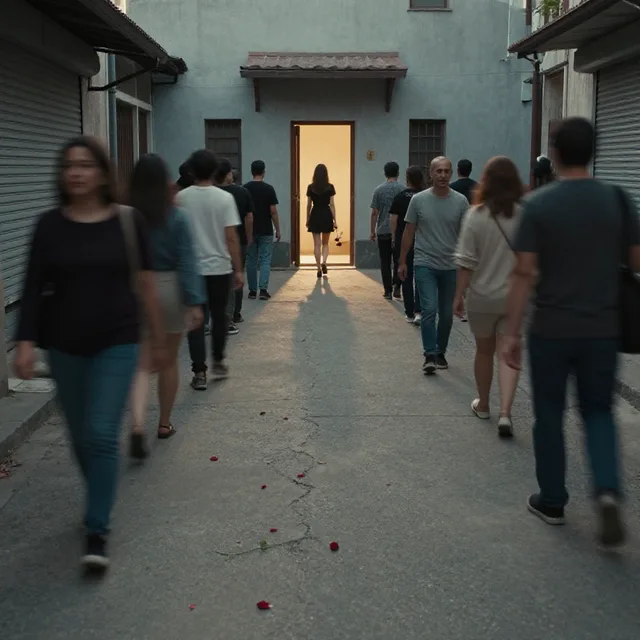
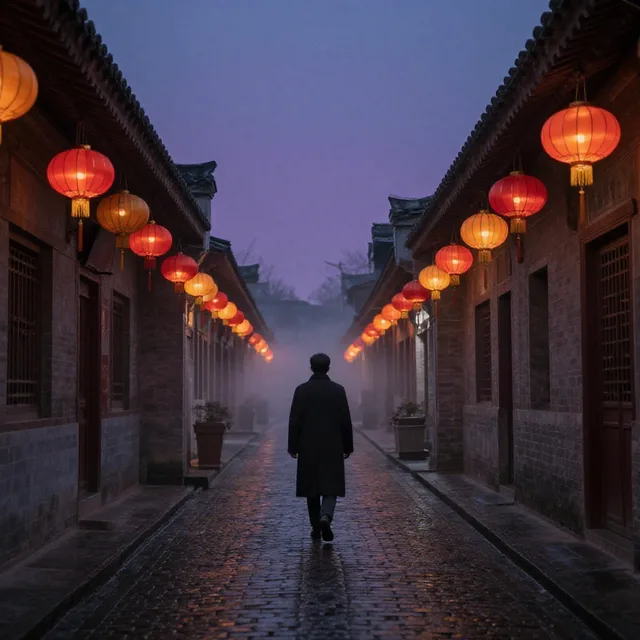
Lonely AI music: intimate vocals, sparse instruments, and close-up sound.
3 songs. Create one like this.
Loneliness in music is the space you leave empty
A song rarely sounds lonely because someone sings "I'm lonely". It sounds lonely because of what's missing: no second instrument, no harmony vocal, no final note landing on the tonic. The listener hears a character alone because the arrangement is alone too. Unlike sad, which can be big and fully orchestrated, lonely usually gets more accurate the less you put in.
Five ways to make an arrangement sound alone
| Tool | How | What the listener feels |
|---|---|---|
| Sparse arrangement | One main instrument, silence between phrases | The silence becomes an empty room |
| Single voice | One vocal, no harmonies, no doubling | Nobody is singing along |
| Distance | Close, dry vocal over a distant, reverb-heavy background | One person in a space that's too big |
| Unresolved harmony | Borrow the minor iv in a major key; end sections on V or vi instead of I | The phrase never gets home |
| Hanging melody | End phrases on the 2nd or 5th, leap up then fall | A question nobody answers |
Most lonely songs sit around 60 to 80 BPM; the MuziAI slow preset is 72 BPM. There is a well-known exception that is just as lonely: dance music at medium or fast tempo, minor key, cold synths, with lyrics about dancing by yourself. The gap between the upbeat pulse and the empty words is the emotion.
Minor key is the Western convention for dark color, but it isn't required. A major progression with a borrowed minor chord, such as C, F, Fm, C, gives a gentler loneliness: missing someone without crying. For range, keep verses low, close to speech; if the chorus climbs, let the voice thin out rather than belt. The best vocal tone is breathy and close-miked, as if talking to yourself.
Each kind of loneliness has its genre
Late night in the city
City pop carries streetlights and night drives, slow R&B fits the chill of an unanswered message, and lo-fi with a muffled electric piano suits staying up alone. Jazz has the muted trumpet, a sound made for a bar near closing time.
Far from home
Vietnamese bolero has a whole catalog of songs about people far from their hometown, rainy nights and border posts, so listeners recognize the feeling instantly. Folk and acoustic give a plainer homesickness with fewer vocal ornaments.
Inside one room
Piano ballads and indie work best when they stay sparse. This is also where songs go wrong most often, because ballads are used to building a huge chorus.
Lyrics: let objects speak, don't name the feeling
The more often the word "lonely" appears in a lyric, the less lonely the song feels. Let objects do the work: two mugs with only one ever used, a phone lighting up for an ad, rice cooked for one. Give it a specific time (2 a.m., Saturday night) and a specific place.
- Write in first person, addressing someone absent or yourself.
- Let the verses tell the story and the chorus ask a question with no answer.
- End unresolved: a last line that doesn't rhyme with the one before, or a repeat of the opening line.
- Use few words per line and leave room for silence.
The lyrics writer gives you a quick draft; replace every abstract word in it with objects from your own life. A song lyric is a character speaking, not a diary. If you are writing from real sadness and it feels heavy, tell someone close to you as well, not only the song.
Mistakes that turn lonely into maudlin or noisy
- Overloaded arrangement: strings, drums and backing vocals all arriving in the chorus. Once the song gets big, the character is no longer alone.
- Lyrics made of adjectives, like "cold, empty, lonely, broken" in one line.
- A pushed, heavy-vibrato voice that sounds like performing sadness for a crowd.
- A forced upbeat last line added only because the song felt too sad. If you want hope, put it in the music, for example a major chord at the very end.
- A style description that only says
sad. That word pulls the AI toward a generic tearjerker ballad; name the instruments and the space instead.
Four ideas to type in
English style tags that combine well: lonely, melancholic, sparse, solo piano, reverb-heavy, intimate vocal, late night, minor key.
- Idea: 2 a.m., the corner convenience store is the only light still on. Style:
lofi, muted electric piano, soft male vocal, lonely, late night, slow tempo. - Idea: the first Lunar New Year away from home, video-calling Mom. Style:
bolero, lead guitar, warm male vocal, nostalgic, lonely. - Idea: dancing alone in a room with the lights off. Style:
city pop, synth bass, female vocal, lonely, minor key, medium tempo. - Idea: a table for two with one chair empty. Style:
solo piano ballad, breathy female vocal, sparse, reverb-heavy.
Enter the idea when you create a song and allow about 2 to 4 minutes. If you already have a melancholy beat, use sing over a beat to have the AI sing your lyrics on it.
Where a lonely song can go next
Toward sad when the story has a clear loss. Toward nostalgic when being alone turns back to the past. Toward peaceful when the character accepts solitude and feels lighter: keep the sparseness, switch to major. Toward inspiring when the song is about getting back up: add instruments gradually in the last section so the listener hears the room fill.