AI Music Sad
Sad AI music: breakups, longing, and the things left unsaid.
9 songs. Create one like this.
Sad comes in several shades, and each needs its own approach
"Sad" is one word in the mood box, but sad music has several shades, and picking the wrong one is a common reason a song "doesn't land". A breakup song, a song about missing your mother and a farewell each need a different tempo, instrumentation and voice.
| Shade | How it sounds | Instruments, voice | English tags |
|---|---|---|---|
| Quiet, confessional | sparse, close, like talking | fingerpicked guitar or solo piano, breathy voice | sad, intimate, sparse piano, breathy vocal |
| Aching breakup | builds slowly, chorus opens up | piano, strings entering at the chorus, a voice with power | heartbreak ballad, emotional build, strings, powerful vocal |
| Bittersweet | sad but warm, with a half smile | acoustic guitar, warm baritone | bittersweet, wistful, warm acoustic |
| Grand farewell | wide, slow, solemn | strings, choir, low piano | melancholic cinematic, orchestral strings, choir, slow |
The third shade borders on nostalgic, the first on lonely. Know which one you are writing and the other choices get clearer.
Slow, minor, sparse, and why that is not always the rule
The clearest sad cues are a slow tempo, a minor key and a sparse arrangement. Sad people speak slower, lower and with less pitch movement, and sad melodies copy that: they fall, move stepwise, hold long notes and sit low in the range. MuziAI's "Slow" preset is 72 BPM, slow enough for a ballad without dragging.
Sparseness matters more than people expect. The gaps between lines are where listeners put themselves into the song. One piano and one voice often sound sadder than a full band playing nonstop.
Exceptions abound. Adele's "Someone Like You" is in A major and still one of the saddest breakup songs of the 2010s. Meanwhile minor keys sit under countless rap, rock and EDM tracks that sound tense or aggressive rather than sad. Minor plus fast tempo and heavy drums usually comes out powerful, not sad.
Harmony tricks that pull a listener down
- The vi-IV-I-V loop (Am-F-C-G in C major): the same four chords as the happy pop progression, but starting on the minor chord darkens the whole thing.
- The borrowed iv chord: in C major, go F, then Fm, then back to C. Lowering a single note, A to Ab, sounds like something was just lost.
- A stepwise falling bass, such as C, B, A, G under the chords. This descending bass has been used for laments since the Baroque era.
- The appoggiatura: the melody lands on a note that clashes with the chord, then resolves to one that fits. Put it on the most important word of the chorus.
Leonard Cohen spells it out in "Hallelujah": "the minor fall, the major lift". The sad songs that stay with people usually have both, not just the fall.
Write sad lyrics with details, not tears
Sad lyrics usually fail the same way: piling on "pain", "tears" and "broken". By the third line the listener is numb. One concrete detail does more: slippers still by the door, a message read with no reply, an extra bowl of rice someone still sets out. Listeners work out the sadness themselves, and because they worked it out, they feel it.
Let the verses tell the story and the chorus say one plain line the song turns around. Sad lyrics can take longer lines because notes are held, but still need room to breathe: put a comma where the singer should pause. A little light in the last line, a wish or a decision to move on, often lingers longer than a hopeless ending. For a starting frame, the lyrics tool writes around breakups, homesickness or loss; then swap generic lines for your own details.
When the rhythm betrays the lyrics
The most common sad-song mistake is words going one way and groove the other. You write a farewell, choose pop at "Fast", and get four-on-the-floor drums and bouncing bass: listeners nod along before hearing a word. Related mistakes:
- Right mood, wrong genre. EDM and funk and disco carry a built-in dance beat; sadness there must be deliberate, the "crying on the dance floor" kind.
- Belting from the first line leaves nowhere to climb, so the chorus sounds like the verse.
- Too many instruments. Piano, strings, brass and choir at once turn the song into a stage show and kill the intimacy.
- Running too long. Four minutes with two choruses usually beats six minutes of repetition.
Genres and moods that sit next to sadness
Ballad is the default: all 13 ballad samples on MuziAI are at 72 BPM. Bolero gives storytelling sadness with a steady pulse and ornamented singing, suited to a warm male voice or a duet. Acoustic and indie fit the quiet, confessional kind. R&B and lo-fi give a late-night sadness, more tired than hurt. Slow jazz brings the blues; cinematic handles grand, solemn sadness. Vietnamese folk has many mournful melodies that pair with dan tranh zither and bamboo flute.
Among moods, lonely is sadness alone, with even fewer instruments. Nostalgic is sadness warmed by memory. Peaceful is sadness that has settled. An unfinished love story, not quite lost, may suit romantic better.
Sad ideas to try right now
Set the mood to Sad and the tempo to Slow, then paste the idea and the style line when you create a song:
- "The last text I never got to send my dad", style
sad piano ballad, sparse arrangement, warm baritone male vocal, slow tempo - "The empty chair at this year's New Year's Eve dinner", style
melancholic bolero, acoustic guitar, dan tranh zither, heartfelt male and female duet - "Moving out of the room we used to rent together", style
heartbreak pop ballad, piano, strings enter in the chorus, emotional female vocal - "A city far from home at 3 a.m.", style
melancholic lo-fi, rainy night, soft electric piano, breathy intimate vocal
Hearing a few sad songs in the sample library first helps set expectations. Each option is explained in the guide.
Track list
De Brief Die Nooit Vertrok
Ik schrijf je naam op geel papier,
Ballad, Sad, 2:40
겨울의 잔상
헤어진 뒤 처음 맞는 겨울,
Ballad, Sad, 3:28
雨夜擦肩
雨丝落在旧街灯
Ballad, Sad, 3:14
Faded Ink, Burning Heart
Dust on the drawer, a forgotten name
Ballad, Sad, 3:33
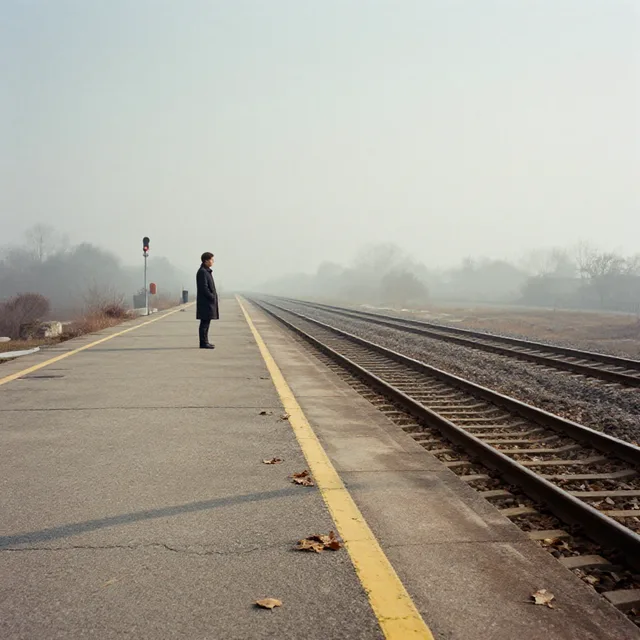
Sân Ga Vắng
Sân ga chiều nay gió lạnh
Ballad, Sad, 4:35
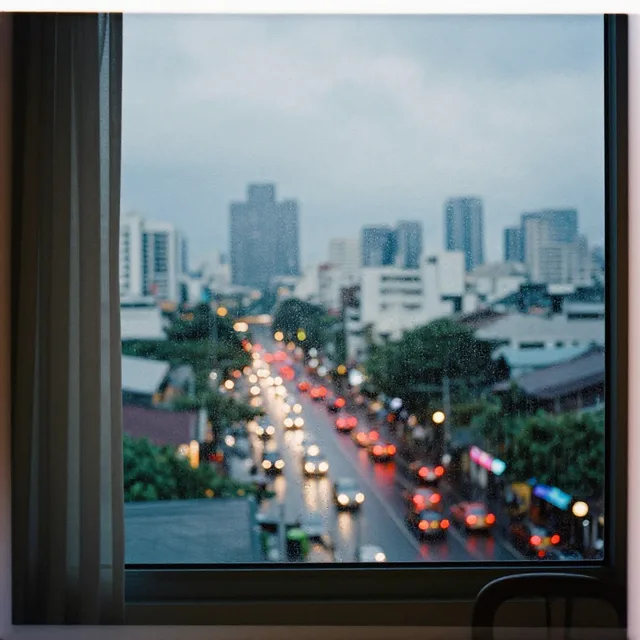
ฝนกรุงเทพฯ คิดถึงเธอ
ฝนตกที่กรุงเทพฯ อีกแล้ววันนี้
Ballad, Sad, 3:54

Café sous la pluie
La pluie dessine des chemins sur la vitre
Jazz, Sad, 3:55

Hẹn Ngày Trở Về
Người ơi xa cách đã bao mùa
Bolero, Sad, 4:10

Tiễn Con Lên Phố
Sân ga chiều nay vắng bóng mưa
Ballad, Sad, 4:46